GPS
Pets wander off. Elderly patients with dementia walk away from care facilities. In both cases, every minute without knowing their location increases the risk.
Traditional tracking methods collar tags, manual check-ins, human supervision have serious limitations. They don’t provide real-time location data. They can’t send automatic alerts when someone (or something) leaves a safe zone. And they rely entirely on people being in the right place at the right time.
For pets, this means delayed recovery when they go missing. For patients, it means slower emergency response during wandering incidents.
These challenges made it clear: there was a need for a connected tracking solution that could provide continuous visibility and intelligent, automatic alerts.

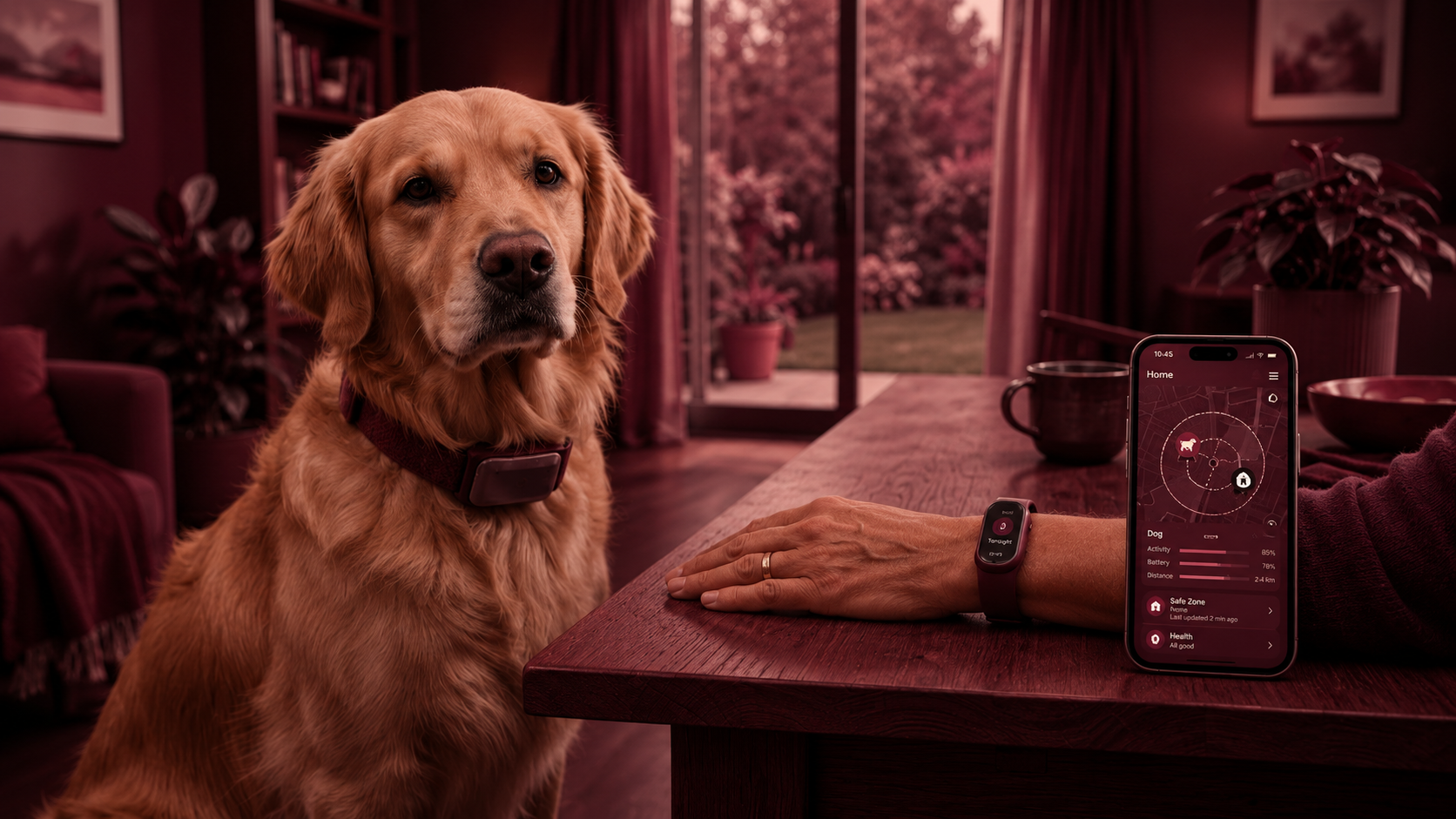
Transight built a connected tracking system using small, wearable IoT devices equipped with GPS, cellular connectivity, and geofencing all monitored through a centralised cloud platform.
The device maintains uninterrupted communication with the monitoring system, making it suitable for both pet tracking and patient supervision.

This framework ensures seamless data transmission, continuous monitoring, and faster response when something goes wrong.

By deploying Transight’s connected tracking system, the following results were achieved
The solution creates a reliable monitoring foundation that can be expanded in the future to include analytics, health insights, and extended care features.

By building a connected telematics system for pet and patient tracking, Transight solved the core limitations of traditional methods: no real-time data, no automatic alerts, and no centralised visibility.
The solution delivers structured, real-time monitoring that makes pets and patients safer, helps caregivers respond faster, and can scale across hundreds or thousands of devices. It’s a simple idea know where they are, all the time powered by reliable technology.

GPS
Pets wander off. Elderly patients with dementia walk away from care facilities. In both cases, every minute without knowing their location increases the risk.
Traditional tracking methods collar tags, manual check-ins, human supervision have serious limitations. They don’t provide real-time location data. They can’t send automatic alerts when someone (or something) leaves a safe zone. And they rely entirely on people being in the right place at the right time.
For pets, this means delayed recovery when they go missing. For patients, it means slower emergency response during wandering incidents.
These challenges made it clear: there was a need for a connected tracking solution that could provide continuous visibility and intelligent, automatic alerts.
Transight built a connected tracking system using small, wearable IoT devices equipped with GPS, cellular connectivity, and geofencing all monitored through a centralised cloud platform.
The device maintains uninterrupted communication with the monitoring system, making it suitable for both pet tracking and patient supervision.
This framework ensures seamless data transmission, continuous monitoring, and faster response when something goes wrong.
By deploying Transight’s connected tracking system, the following results were achieved
The solution creates a reliable monitoring foundation that can be expanded in the future to include analytics, health insights, and extended care features.
By building a connected telematics system for pet and patient tracking, Transight solved the core limitations of traditional methods: no real-time data, no automatic alerts, and no centralised visibility.
The solution delivers structured, real-time monitoring that makes pets and patients safer, helps caregivers respond faster, and can scale across hundreds or thousands of devices. It’s a simple idea know where they are, all the time powered by reliable technology.