1. Fulfil the Right MNRE Monitoring Guidelines
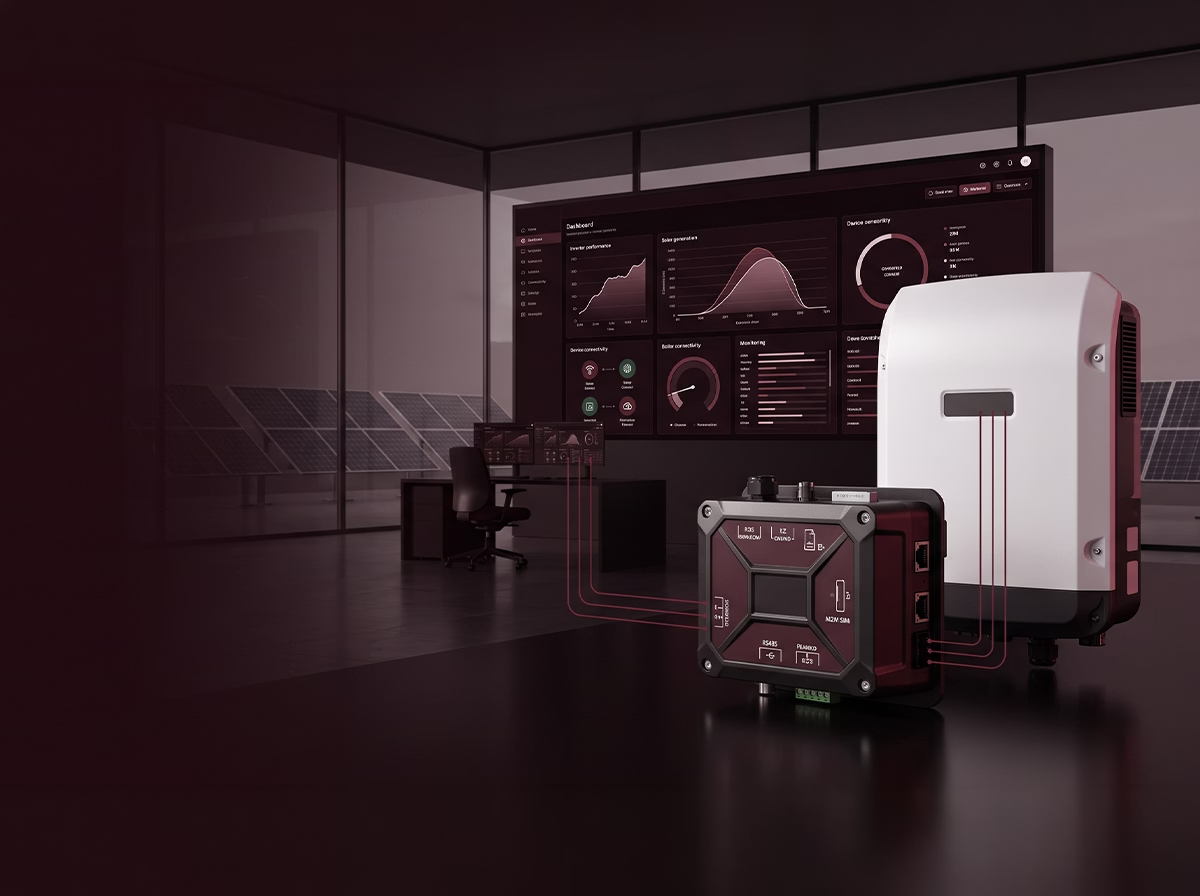
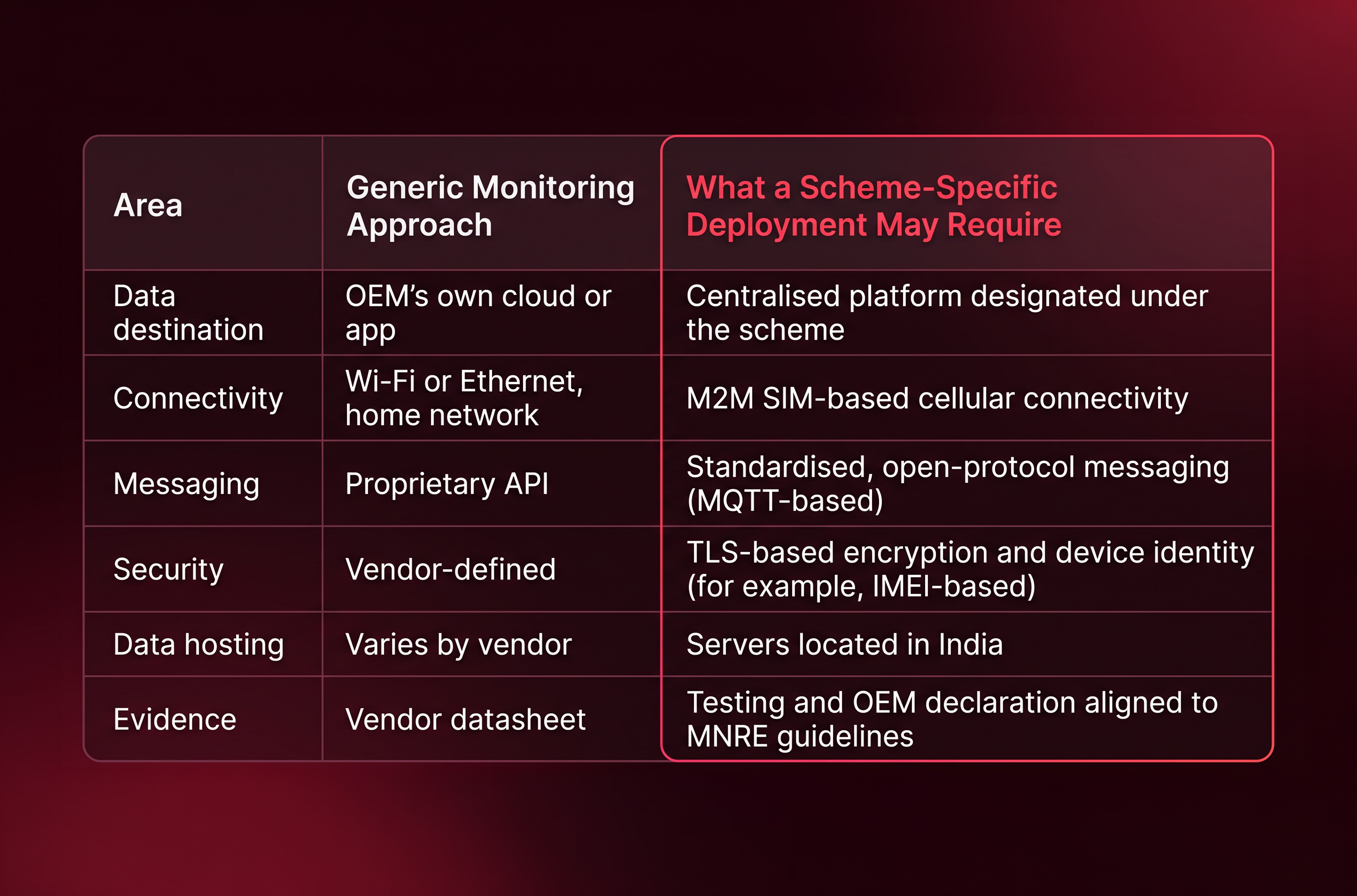
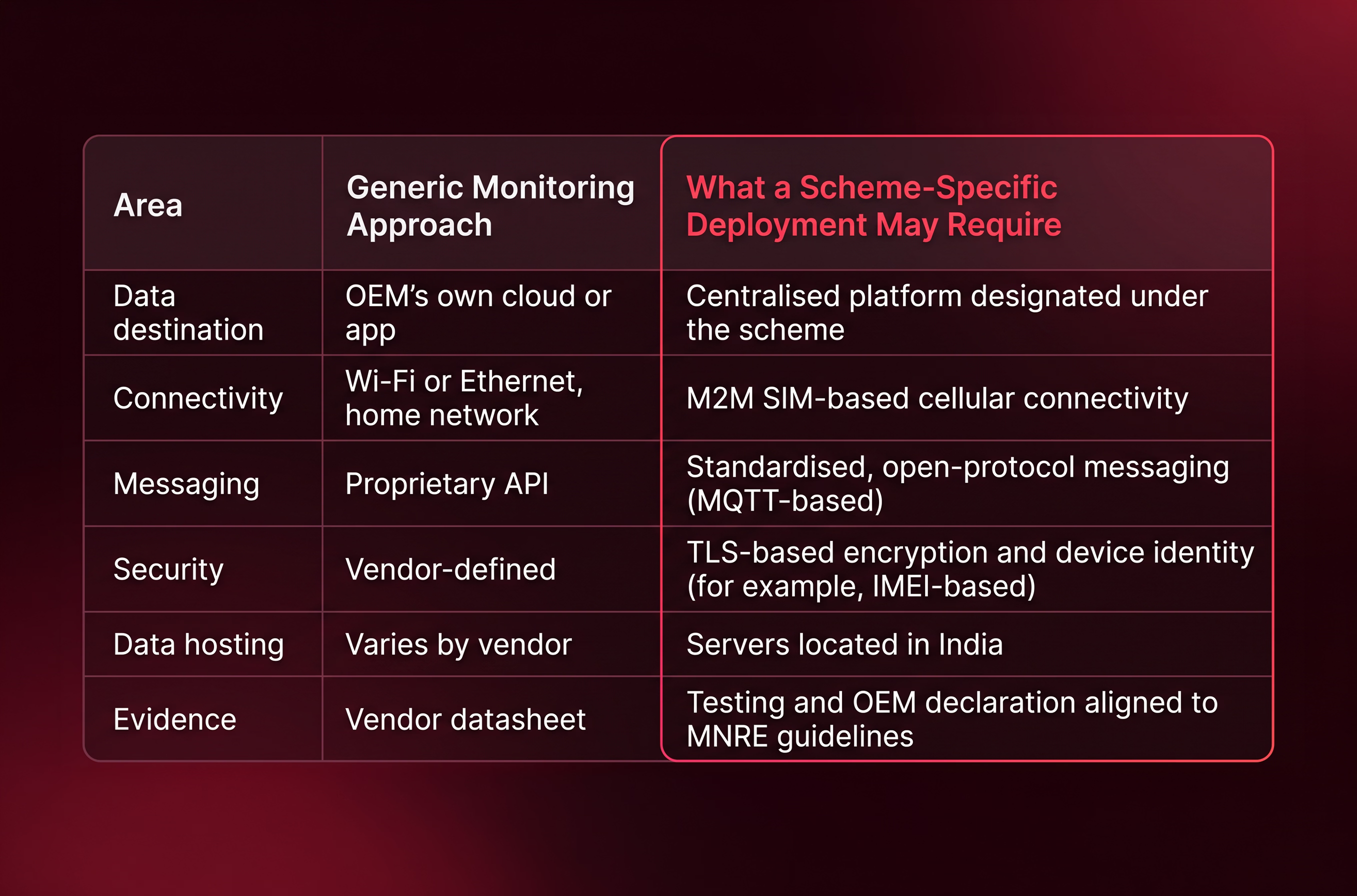
Fulfilling the MNRE monitoring guidelines involves communication, security, messaging, and testing. Failure to take into account any of these components would slow down your process of deployment. If you choose the correct solar data logger from the outset according to the published guidelines, then you will have something that meets some of those requirements from the very beginning.
2. Connect Different Inverter Models Using Different Interface Options
Usually, there are multiple different inverter models sold by OEMs, and each model has its own registers and settings, making it difficult to support all of them. Loggers that support RS-485 and Modbus RTU interface along with multislave communications and register mapping can be used to connect various inverter models, as well as MNRE testing guidelines, which mention using RS485 and Modbus interfaces for inverters. It means that one logger platform can work for more of your products, depending on the particular inverter model.
3. Guarantee Smooth Flow of Data Even during Network Problems
There will be times when the cellular coverage will not be adequate, making it harder to detect problems with telemetry gaps. If buffering is implemented at the logger, then data can be stored in the event of loss of connection, and transmitted again when reconnected. An example of this is Transight Discovery RMS, which can buffer data (with RTC timestamps) for 60 days. This can prevent data loss in short outages, however data loss will depend on how the system was configured and how much storage is available.
4. Secure Data Transmission to the Required Platform
With Inverter data being sensitive, MNRE have concerns about data being accessed by unauthorised users and data being taken out of the country. To secure data in messages in MQTT, TLS and IMEI, should be implemented. Client certificates allow device identification as well. However each of the three methods protect against different threats meaning that just one cannot guarantee compliance with requirements.
5. Make Device Setup and Provisioning Easier
Installers should be able to easily provision devices without needing engineering support. Local device configuration along with installer support will help to automate processes and improve installation times. However, local device configurations are not always suitable for all inverters meaning that it is advisable to verify suitability.
6. Reduce Repeated Integration Work Across Supported Models
Should more than one inverter model be supported then re-use of effort can happen. Having produced a register map for one inverter model, analogous register maps can be produced for further models using this as a basis. Again, it is important to confirm that both register maps and parameters are appropriate for each particular inverter model prior to use.