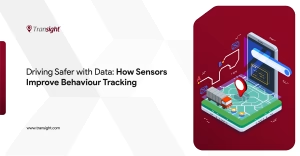
This is where sensors and telematics come into play. By combining smart sensors with real-time data analytics, businesses can track how vehicles are driven, provide instant feedback, and improve safety outcomes.
In this article, we explore how sensors improve driver behaviour tracking and safety.
Table of Contents
- What is Driver Behaviour Tracking?
- Types of Sensors Used in Driver Monitoring
- How Sensors Improve Safety
- Benefits for Fleets & Drivers
- Real-World Example
- The Future of Sensor-Based Driver Safety
What is Driver Behaviour Tracking?
Driver behaviour tracking is the process of using telematics data to monitor, analyse, and improve driving performance. It goes far beyond GPS-based location tracking. Instead of simply knowing where a vehicle is, modern systems reveal how it’s being driven.
By monitoring parameters like acceleration, speed, braking, cornering, and seatbelt use, organisations can:
- Pinpoint risky behaviours before they cause accidents.
- Identify opportunities to train drivers more effectively.
- Reduce costs by promoting smoother, more fuel-efficient driving habits.
In short, it’s about creating safer roads while improving operational efficiency.
Types of Sensors Used in Driver Monitoring
Modern telematics relies on different types of sensors, each serving a unique purpose:
- Speed sensors → Capture real-time speed and flag instances of over-speeding compared to road limits or company policies.
- Accelerometers & gyroscopes → Detect patterns such as harsh braking, sharp cornering, or sudden acceleration—indicators of aggressive or unsafe driving.
- Camera sensors → AI-enabled cameras monitor distraction, drowsiness, or unsafe practices like mobile phone usage, giving visibility inside the cabin.
- Seatbelt sensors → Track compliance, ensuring drivers and passengers wear seatbelts at all times.
- Environmental sensors → Provide context by tracking weather, road surface, and traffic conditions, helping managers distinguish between unavoidable and risky behaviour.
Together, these sensors offer a 360-degree view of driver behaviour.
How Sensors Improve Safety
The real value comes from how this data is used. By integrating sensor data into telematics platforms, companies can significantly enhance safety:
- Real-time alerts → Drivers get instant feedback (like a warning beep or dashboard alert) when speeding, tailgating, or showing unsafe behaviour.
- Post-trip analytics & scorecards → Managers can review driver performance reports that highlight risky behaviours and recognise safe drivers.
- Personalised coaching → Instead of generic training, drivers receive feedback tailored to their actual driving style, making training more effective.
- Predictive prevention → Data trends can predict potential risks, such as a driver showing signs of fatigue or consistent over-speeding, allowing intervention before an accident occurs.
Benefits for Fleets & Drivers
Sensor-based monitoring benefits both businesses and drivers:
- Fewer accidents → safer roads → Preventing incidents protects employees, assets, and the public.
- Lower insurance premiums → Insurance providers often reward fleets with good safety records.
- Reduced fuel and maintenance costs → Smooth driving habits extend vehicle life and improve fuel efficiency.
- Transparency and accountability → Clear data builds trust, as drivers and managers rely on facts rather than assumptions.
Scenario: A Fleet Manager’s Pain Point
A fleet manager overseeing 150 trucks faces daily challenges:
- Breakdowns happen without warning, disrupting delivery schedules.
- Safety incidents increase insurance costs and put drivers at risk.
- Rising fuel bills cut into profits, often linked to aggressive driving habits.
- He has little visibility into real driving behaviour—problems surface only when it’s too late.
With sensor-based telematics, Raj’s situation changes dramatically. Predictive maintenance alerts allow him to repair vehicles before they break down. Real-time monitoring and driver scorecards help him coach risky drivers. Fuel efficiency reports highlight waste, and geofencing prevents misuse of vehicles.
Instead of constantly reacting to problems, Raj now manages proactively—saving costs, boosting safety, and building a culture of accountability.
Real-World Example
Consider a logistics company that deployed telematics sensors across its 500-vehicle fleet. Within just one year:
- Accidents dropped by 30%, saving lives and avoiding costly downtime.
- Fuel costs fell by 12% thanks to smoother, more efficient driving styles.
- Driver sentiment improved—they felt more supported with personalized feedback rather than unfairly judged.
This example highlights how data-driven safety programs benefit both the organization and its workforce.
The Future of Sensor-Based Driver Safety
Looking ahead, telematics will become even smarter:
- AI and machine learning → These technologies will detect patterns humans might miss, offering predictive insights into driver risk.
- Real-time distraction detection → Cameras will alert drivers immediately if they look away from the road too long.
Integration with autonomous systems → Hybrid models will see humans and automation working together, with sensors acting as a bridge.
This shift means moving from reactive monitoring to proactive accident prevention.
Conclusion
Sensors are redefining how businesses and fleets approach driver safety. By turning raw driving data into real-time feedback and actionable insights, telematics helps reduce accidents, lower operational costs, and improve accountability.
For organisations, the takeaway is clear: adopting sensor-based driver behaviour monitoring isn’t just about compliance—it’s about saving lives, protecting assets, and building a culture of safety for the future.