
Table of Contents
- Introduction
- What Is AIS 140 GPS?
- Why AIS 140 Matters in Delivery Operations
- Key Benefits of AIS 140 GPS for Deliveries
- Data-Driven Decision Making with AIS 140 GPS
- Challenges in Implementing AIS 140 GPS
- Future of Delivery Operations with AIS 140
- Conclusion
1. Introduction
In the highly competitive world of logistics and delivery, speed, safety, and reliability make or break customer trust. E-commerce companies, courier services, and supply chain businesses all rely on efficient fleet operations to ensure timely deliveries. However, managing multiple vehicles on busy roads is not easy—especially when accountability, route optimization, and customer expectations come into play.
This is where AIS 140 GPS devices step in as a game-changer. Designed to meet India’s Automotive Industry Standard (AIS) 140, these devices not only help businesses stay compliant with government regulations but also bring significant advantages to delivery operations.
2. What Is AIS 140 GPS?
The AIS 140 standard was introduced by the Ministry of Road Transport and Highways (MoRTH) to regulate the installation of GPS tracking devices in commercial vehicles. Every AIS 140-certified device comes with:
- A GPS tracker for real-time location monitoring.
- A panic button for emergencies.
- Integration with state/national command centers for safety.
In short, AIS 140 GPS is not just a tracker—it’s a smart device built to enhance operational control, safety, and efficiency.
3. Why AIS 140 Matters in Delivery Operations
Delivery operations are all about precision: the right product reaching the right place at the right time. With traffic congestion, route diversions, rising fuel costs, and growing customer demands, businesses need reliable technology to stay ahead.
AIS 140 GPS offers:
- Transparency – tracking every vehicle in real time.
- Accountability – monitoring driver behavior and vehicle usage.
- Efficiency – minimizing delays, idle times, and fuel wastage.
4. Key Benefits of AIS 140 GPS for Deliveries
Real-Time Vehicle Tracking
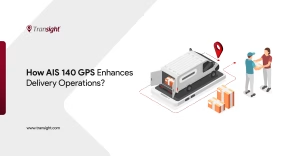
Fleet managers can monitor the exact location of each delivery vehicle at any given time. This helps in reducing delays, preventing misuse, and responding quickly to unexpected events.
Route Optimization for Speed & Efficiency
The device helps identify traffic patterns and suggests alternate routes. This minimizes delays, reduces fuel consumption, and improves delivery timelines.
Safety and Security Features
With an SOS button, delivery drivers can send instant alerts in case of emergencies. The system also prevents theft or unauthorized use by constantly tracking vehicle activity.
Compliance with Government Regulations
By using AIS 140 devices, businesses meet MoRTH standards and avoid penalties. This is especially important for commercial vehicles operating in logistics and courier services.
Improved Driver & Fleet Performance
AIS 140 monitors driver behavior such as overspeeding, harsh braking, or long idling. Fleet managers can use this data for training, ensuring safer and more efficient driving.
Fuel and Cost Savings
Optimized routes and reduced idle time lower fuel costs significantly. Over time, these savings add up, improving the bottom line of delivery businesses.
Enhanced Customer Experience
With accurate ETAs and real-time delivery updates, customers feel informed and satisfied. Transparency builds trust and encourages repeat business.
5. Data-Driven Decision Making with AIS 140 GPS
AIS 140 devices generate detailed reports on trip history, fuel consumption, delivery times, and driver behavior. These insights help businesses:
- Identify inefficiencies in delivery operations.
- Improve scheduling and route planning.
- Set performance benchmarks for drivers.
By turning data into actionable strategies, delivery companies can scale smarter.
6. Challenges in Implementing AIS 140 GPS
While the benefits are clear, businesses may face hurdles such as:
- Initial investment costs for hardware and software integration.
- Training needs for drivers and fleet managers.
- Network connectivity issues in remote areas.
However, with the rapid growth of 4G/5G networks and falling device costs, these challenges are becoming less significant.
7. Future of Delivery Operations with AIS 140
The role of telematics in delivery operations is only growing stronger. Some upcoming trends include:
- AI-Powered Predictive Analytics – forecasting delays and maintenance needs.
- EV Fleet Integration – monitoring battery performance and charging cycles.
- IoT & Sensor Fusion – combining AIS 140 GPS with fuel, temperature, and cargo sensors for complete visibility.
- Autonomous Delivery Vehicles – requiring seamless GPS integration for navigation and compliance.
AIS 140 GPS is setting the foundation for smarter, safer, and greener delivery ecosystems.
8. Conclusion
Delivery operations are no longer just about moving goods—they’re about ensuring speed, safety, transparency, and customer satisfaction. AIS 140 GPS devices fulfill all these needs by offering real-time tracking, optimized routing, regulatory compliance, and advanced safety features.
For delivery businesses in India, adopting AIS 140 is not just about following government rules—it’s about gaining a competitive edge. By embracing this technology, companies can cut costs, improve performance, and deliver a seamless customer experience that keeps them ahead in the race.